The financial need you have, your budget, and your ability to repay a loan all play important roles in the lending process. A standard mortgage lender will look at these factors before approving your loan application. But what if you need a loan for something other than buying a house? Or what if you don’t have access to conventional lenders who provide mortgage loans? Do you need to look elsewhere for options? If so, what are your options for getting a short-term cash advance? Here are answers to some of the most common questions about a 3-month loan and how to borrow it.
What is a 3-Month Loan?
A 3 Month loan is a short-term unsecured loan that is typically for three months. These loans are not insured by the federal government and therefore come with higher rates of interest. A lot of people use these loans for a variety of purposes, including funding a vacation, covering unexpected expenses, and getting through a financial emergency. For example, you may need money to buy groceries for the next few weeks until your paycheck arrives. Another advantage of a short-term loan is that you can often get one from a lender you don’t know or trust. That’s because you are borrowing from a friend, relative, or acquaintance rather than a bank, credit union, or other financial institution.
Some financial emergencies require immediate funding, but you don’t have the time or the money to get a long-term loan. These situations include the loss of a job, a medical bill that is just over the limit of your insurance policy, or an automobile insurance policy that will cover a vehicle repair bill that is over a set amount. In other instances, you may need cash on hand to cover a short-term expense, such as a few weeks’ worth of groceries until your next paycheck comes in or a visit to the doctor that you can’t afford to pay for upfront.
0
Bad
Check your Credit Score for Free
Your credit score is updated monthly and gives you insight into your creditworthiness. Take control of your financial future today.
Why Would You Need A 3-Month Loan?
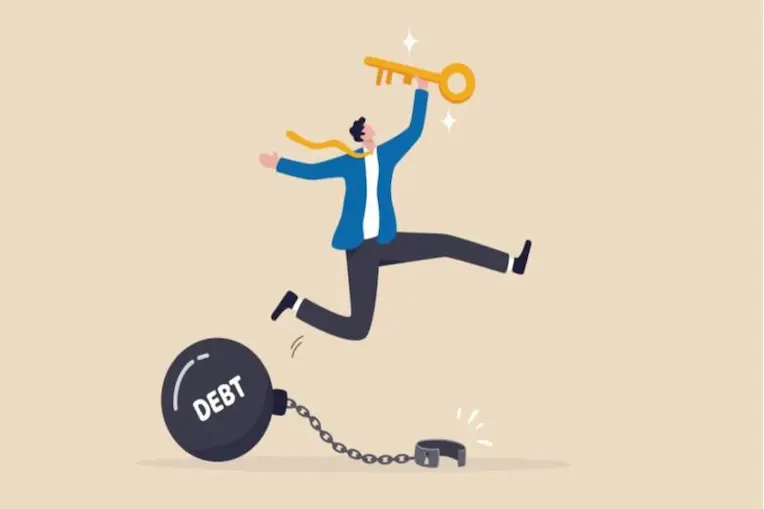
This is a question that comes up a lot when people consider a 3-month loan. The answer to this question is the key to finding a good lender. If you can figure out why you need a 3-month loan, you can find the lender that best suits your needs. Here are some common reasons why someone might need a 3-month loan.
- Emergency: If you have an emergency expense that you can’t cover on your own, a 3-month loan is a great option. You can use it for car repairs, medical bills, or even home repairs.
- Short-term financial assistance: If you have expenses like a vehicle repair or a big security system, a 3-month loan can help you cover it without taking on a huge amount of debt.
- Debt repayment: If you have a large amount of debt that you would like to pay off, a 3-month loan can help you make larger payments toward your loan.
Also Read: Instant Personal Loan of 1 Lakh: A Relief for Your Monetary Struggles
How Do You Get A 3-Month Loan?
- Because short-term loans are unsecured and come with higher interest rates, you will likely have to shop around to find a lender.
- You could try reaching out to a few friends and relatives, asking them if they have any money that they would be willing to lend to you.
- Also, try reaching out to other acquaintances and relatives to see if they have any spare cash that they are willing to share.
- You could also contact a local credit union to see if they are willing to work with you.
Note: Check Credit Score for Free with Buddy Score
Pros and Cons of 3-Month Loans
Some benefits of short-term 3-month loans include that they are usually relatively easy to obtain, they are often quick to process, and they are usually small in the amount that you need to borrow. There are also some disadvantages of short-term 3-month loans, including that they usually carry high-interest rates, they usually have high fees, they usually have short repayment periods, and they usually have high fees and interest rates.
Also Read: What You Need To Know About 6 Month Loans – 8 Things to Keep in Mind


Personal Loan
Quick Approval in 24 Hours
💰 No processing fee for first 100 customers | ⚡ Digital KYC in 5 minutes
Summing Up
If you need a short-term cash advance, you can turn to lenders who offer unsecured loans, such as friends and family or a credit union. However, you will have to shop around to find a lender and may have to accept a higher interest rate. If you need a short-term cash advance, you have to pay interest on a short-term loan and be willing to take on the short repayment period.
Download Personal Loan App
Get a loan instantly! Best Personal Loan App for your needs!!
Looking for an instant loan? Buddy Loan helps you get an instant loan from the best verified lenders. Download the Buddy Loan App from the Play Store or App Store and apply for a loan now!
Get the free Buddy Loan app on your phoneDownload the Buddy Loan app now!


Having any queries? Do reach us at info@buddyloan.com